


FEleing inn the feks after another bad choice, you scold you: «Why do you always ruin things?» Go easy, it is common in our forest neck. Take a few minutes and consider these 10 ways of managing bad judgment and decision making.
For a while, make our judgments and potential decisions of someone we trust. Even arguing them after making the call. Take the comments seriously.
A couple of years ago, I published «I will look back and laugh.» Oh really?
I shared that I stopped using the statement because I realized that it was a cover for some realities of emotional and mental diseases that I did not want to face, much less accept.
The number one in my reality list was a story of bad judgment and decision making.
I hated it.
Since it is a common challenge for anyone who occupies an emotional or mental illness, I pledged to share some interventions in the «part two.»
And here there is an updated version. We will be busy …
Bad judgment and decision making
Yes, those of us who support emotional or mental diseases may experience problems with bad judgment and decision making.
Again, it is common in our forest neck.
Executive functions
As I said in the «part one», judgment and decision making are executive functions. And the action takes place in the brain prefrontal cortex (PFC).
By the way, the cerebral cortex is the outer cover of the thick brain of two to four millimeters of the brain. The PFC comprises a third of it.
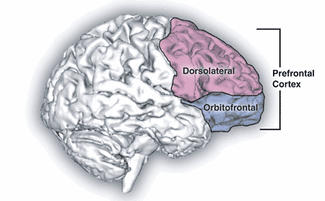
Prefrontal cortex
While we are making details, the PFC is the part of the brain that develops for the last time, in late adolescence. That explains a lot, right?
When it comes to emotional and mental diseases, the PFC is an occupied place. So there will surely be the occasional traffic jam.
When one occurs, the judgment with a joke and the decision making often reach the scene.
Lack of attention and impulsivity
There are two other executive functions that must be mentioned: lack of attention and impulsivity. Here are only one of the reasons why …
If we are, for example, depressed, it is much more likely that we don’t care enough to make quality decisions. If we are anxious, hypomaniac or peanuts, our high mental state can show the door to any ability to make good calls for judgment.
Can you connect with either?
10 ways to manage bad judgment and decision making
According to bad judgment and decision -making can be pathological and long data, but there is much we can do about it.
Take a look at 10 ways to administer …
- I understand that they are often part of our package of emotional and mental diseases. Feel comfortable with why.
- Accept our propensity to do both. While we do, accept the realities of our disease.
- For a while, make our judgments and potential decisions of someone we trust. Even arguing them after making the call. Take the comments seriously.
- Make a list of the poor judgments and decisions that we have taken in the last 30 days. Take into account the contribution of that someone we trust.
- Next to each of the n. ° 4, record how our emotional or mental circumstances contributed and what we can do to prevent them from happening again.
- Avoid Snap judgments and decisions. Take the time to consider our options before making the call.
- Reward us after making a good call or judgment decision. Take note of how we did it, as well as how good it made us feel.
- Evaluate where we are with lack of attention and impulsivity (reference #6). If they are potential rioters, work in them and keep them monitored.
- Minimize stress by practicing healthy lifestyle habits: exercise, relaxation, nutrition, quality dream and more.
- He believes that we have the authority and power to change our judgment and history of decision making, because we do it.
What do you think? Surely you can think of more.
Oh really?
Are you tired of scolding you with «Why do you always ruin things?» After another bad choice?
Then knock it out.
First, come to accept its «eccentric» executive functions. And either with the 10 pointers that I shared or something else, the change process begins.
Just think, it all started with «Someday I will look back and laugh.»
Oh really?
You already have to read the first part to get the scoop: «Someday I will look at this and laugh.» Oh really?
And those titles of information and emotional and mental inspiration of Chipur are waiting for you.
Prefrontal cortex image: public domain. Authors: Natalie M. Zahr, PHD and Edith V. Sullivan, PHD.

After a battle of decades with panic, generalized anxiety, fluctuating moods and alcohol dependence; Bill finally found the passion and work of his life, which gives a hand to those on the same ship. At 49 he arrived at the postgraduate school and obtained his advisory credentials. And continue your service through Chipur and other projects.


