


Dr. Paula Clayton was a pioneer psychiatrist who obtained her doctor’s degree at the University of Washington’s Faculty in 1960, becoming one of the four women in her graduation class1. His journey from a medical student determined to an internationally recognized researcher exemplifies his dedication and commitment to patient care, dismisses mental health treatments and strengthens the field of psychiatry.
Your research, with the Drs. George Winokur and Theodore Reich, about mood disorders and duel redefined the clinical landscape, promoting the opinion that mental illnesses could be diagnosed and treated with the same empirical rigor as physical ailments3. She believed and encouraged collaborations with her mentors and colleagues and deeply deepened the complexities of mood disorders. His 1969 co -authorship work on depressive manic diseases provided critical ideas that continue to influence psychiatric practices today.
Dr. Clayton’s investigation into bipolar disorder further consolidated her legacy. His work revealed that bipolar disorder and unipolar depression were not separate entities, but parts of a spectrum.2. This revelation had deep implications for diagnosis and treatment, significantly improving patient care.
Perhaps his most shocking research focused on duel. Dr. Clayton and her colleagues showed that although the duel could resemble depression, it was a different clinical phenomenon and not necessarily2. This nuanced understanding helped shape modern mental health approaches, emphasizing the need for personalized treatments for pain and depression.
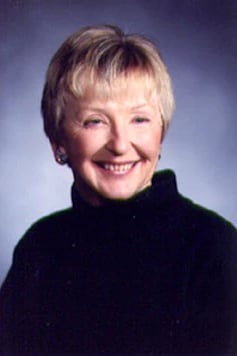
In 1980, Dr. Clayton shattered another glass roof, becoming the first woman to preside over a department of psychiatry in the United States of the Faculty of Medicine of the University of Minnesota. In this role, he defended not only the awareness of mental health but also gender equality, advocate for salary equality for female members and promote an inclusive and support environment1.2. At a time when the female leaders in psychiatry were rare, he stood out as a model to follow exemplary. Robert Hirschfeld described it as «extraordinarily friendly and not happy, and fair and friendly with the nucleus, but completely uncompromising in any matter of principle»3. These attributes helped her change the mental health field and involve the professional and public public in substantial changes.
A prolific author, Dr. Clayton wrote more than 160 articles, several books and numerous book chapters, leaving an indelible brand in theoretical and clinical psychiatry. He held leadership positions in prestigious organizations such as the American Association of Psychiatry and the American College of Neuropharmacology, advancing tirelessly through his research and defense2.
His dedication focused on breaking the stigma surrounding depression and suicide. As a medical director of the American Foundation for Suicide Prevention (AFSP) from 2006 to 2013, she created comprehensive programs to educate members of the chapter on suicide prevention2. His belief in sharing science in an identifiable way inspired the dissemination of practice based on community -based suicide prevention services. In addition, she led to her efforts to link AFSP with the International Suicide Research Academy, expanding the impact and educational precision of her work.
The scientific and compassionate approach of the psychiatry of Dr. Paula Clayton has had a lasting impact on doctors and the public. Their contributions continue to guide and inspire the future generations of mental health professionals that guarantee that their legacy of precision, passion and progress support the mental health treatment.
References:


