


By the way, it is offered as casually as a cure for everything, from high cholesterol to dry eyes, linen may seem like a kind of snake oil hipster change. If you do so much, how is it not as omnipresent as Pumpkin spice?
Let’s take a look at whether or not the linen is a placebo dressed like a miraculous seed when explaining what it is, what it has proven to do and how it can incorporate it into its diet.
What is linen?
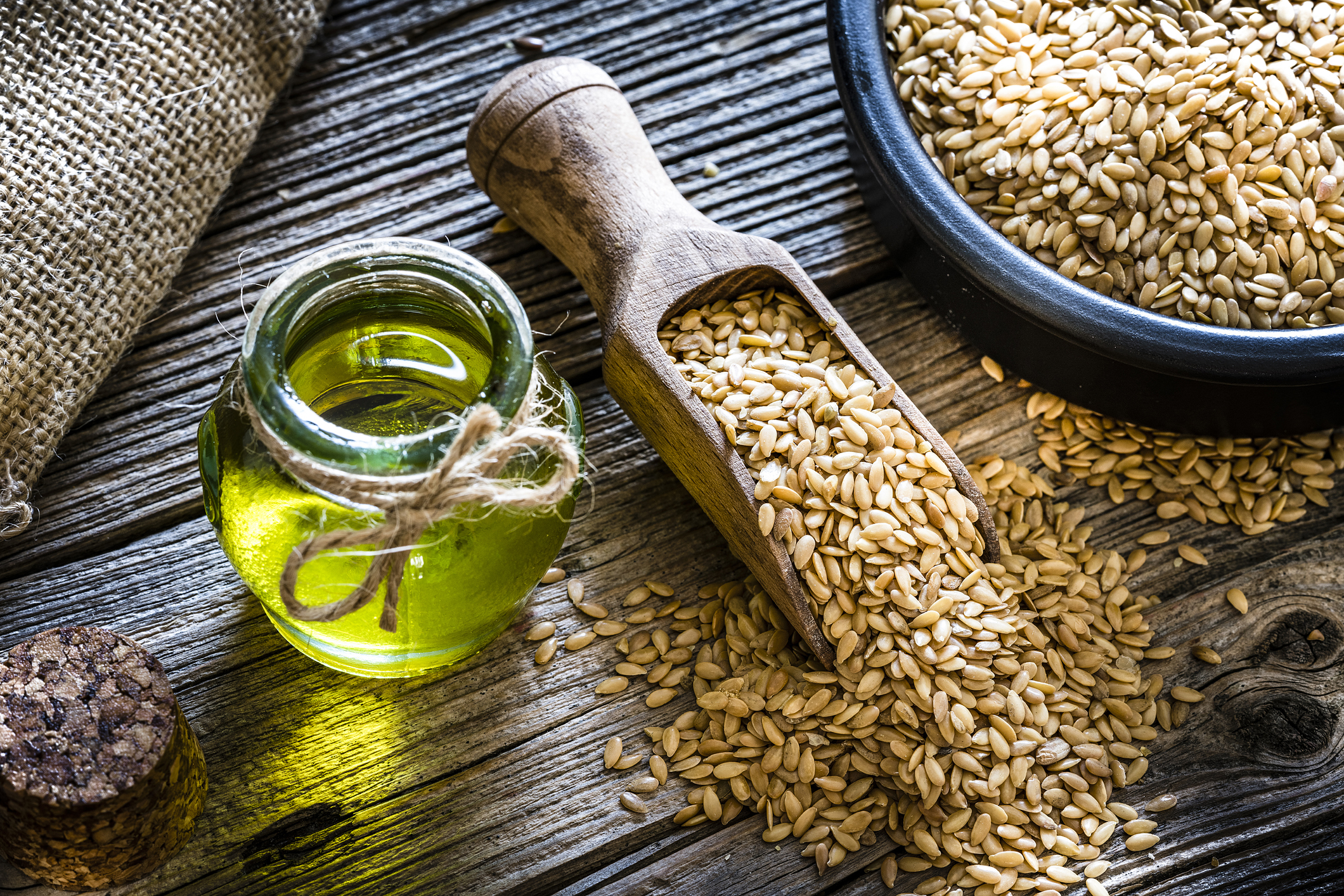
Flax is a blue flowering plant grown in cold climates of the north, such as the grasslands of the northern United States and western Canada. Its seeds are what makes it interesting, since processed linen consumption can provide a variety of health benefits. That is why «Listra», «Flaxseed» or «Lino seed» used in products and packaging.
The first settlers first introduced into the first settlers, and was mainly used to produce fiber for clothing. As the industry grew, flaxseed oil, also known as flaxseed oil, became an important ingredient in paint and was used in food to feed cattle. In the 1940s, cotton had replaced linen as a common use fiber in the United States, and the popularity of linen as commercially cultivated crop began to decrease.
Usually, there are two varieties: gold and brown linen. Although some suppliers will promote one on the other (based on statements of nutritional or flavor superiority), they actually work to be more or less the same in most levels.
LINAZA NUTRITION
A tablespoon Ground linage provides the following nutrients:
- 37 calories
- 1.3 g of protein
- 3 g of fat
- 2 g of carbohydrates
- 2 g of fiber
- 18 mg of calcium
- 27 mg of magnesium
- 57 mg of potassium
- 0.4 mg of iron
LINAZA BENEFITS
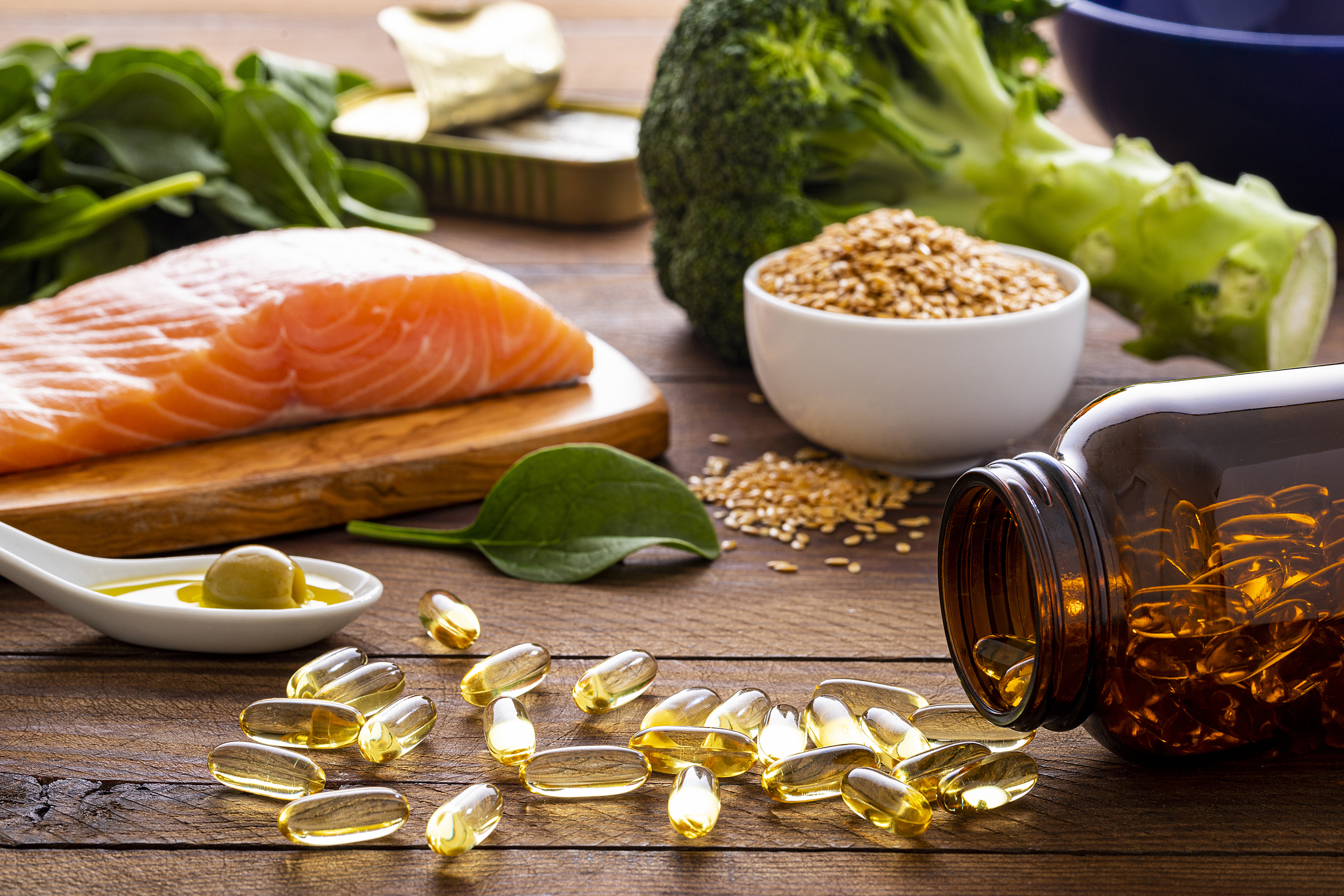
Before spraying linen around his bed with the hope of waking 20 years younger like Tom Hanks in BigLet’s take a look at the real measurable benefits derived from it.
1. Heart Healthy
Linen seeds, such as nuts and chia seeds, are loaded with omega-3 fats. While flaxseed does not contain the EPA and DHA Omega-3 found in fish oil, offers a version of omega-3 called alpha-linolenic acid (To the).
Wing is a polyunsaturated fatty acid that has possibly found Reduce the risk of heart disease positively affecting blood pressure, cholesterolarrhythmias (irregular heart beat) and arterial plaque accumulation.
2. High in fiber
Eating Two tablespoons Linaza per day provides 20 to 25 percent of the Recommended daily intake Fiber and linaza are also low in other carbohydrates. High levels of mucilage -A gel-forming substance that moves through the gastrointestinal tract without digesting-in lainza can slow down the passage of food From the stomach to the small intestine, increasing the absorption of nutrients. That can also prolong fullness, which is key to those who seek to lose weight.
3. Anti -inflammatory
Studies have shown that Omega-3 fatty acids in linen are associated with decrease In inflammation biomarkers. Since inflammation plays a role in issues that range from Dry eyes to Intestinal inflammatory disease to neurological disordersThe Omega-3 in Flaxseed could be valuable in a large number of applications.
How to eat linen
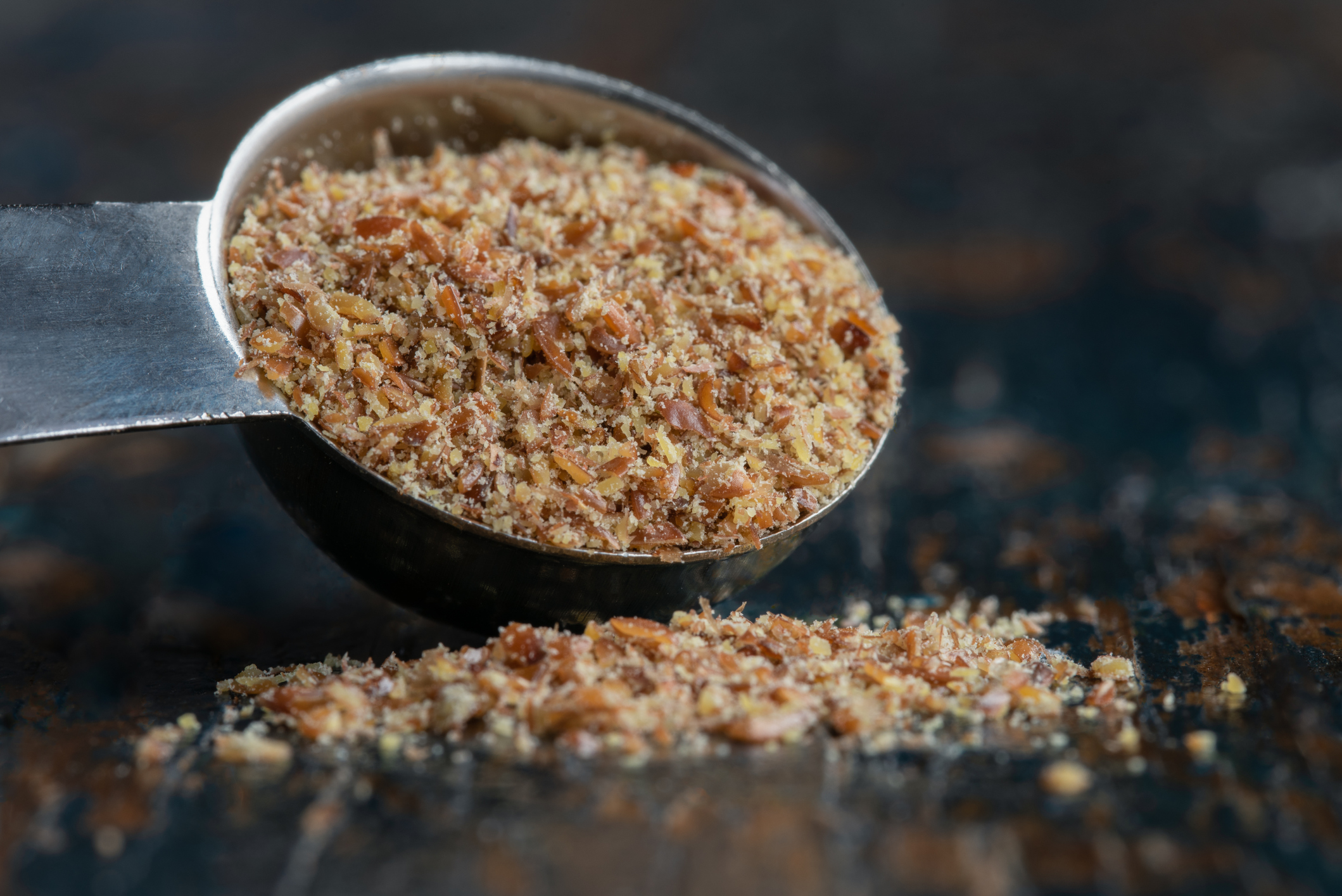
The most important thing to know is that, to obtain the maximum benefit of the linen, It must be ground; The infallible exterior of the seed means that the full linen can happen through the non -digested gastrointestinal tract.
Therefore, consider buying linen or ground linen (or grinding your own raw linen), which can be stirred in hot or cold cereal, add to mustard or mayonnaise for sandwiches, or fall into mixtures of flour for muffins or breads.
It is versatile, and neither gold nor brown varieties have a strong flavor, so they can be combined with sweets and salty, and they will barely know they are there. Just remember to refrigerate or freeze the flaxseed seed to prevent oxidation.
The main difference is between linen flour and linen oil. The two really offer slightly different benefits: oil, for example, shows higher levels of omega-3 fatty acids that the ground linen, while linen It is a better source of minerals such as magnesium that oil.


