


Laboratory models suggest that extreme doses of Hemo iron can be harmful, but what about the effects of nutritional doses on humans?
In muscle meat, there is A hem protein that contributes to, well, to the fleshy flavor of the flesh. There is also a hemo protein in the roots of soy plants that can be produced to provide similar flavor and aroma in plant -based meat, which is used to make impossible hamburger possible. The question is: Is there any inconvenience?
When the European Food Security Authority was considering The security of adding iron hemo to food, its main concern was a higher risk of risk of colon cancer. As you can see below and 1:00 in my video Does the iron cause cancer?We know meat Causes cancer. Processed meat (bacon, ham, hot dogs, sausages and lunch meat) is considered a carcinogen of group 1, which means that we know that it causes cancer in people with the same level of certainty as something like smoking causes cancer, while something like a hamburger probably causes cancer in people, such as DDT. But what is the role of iron hemo?
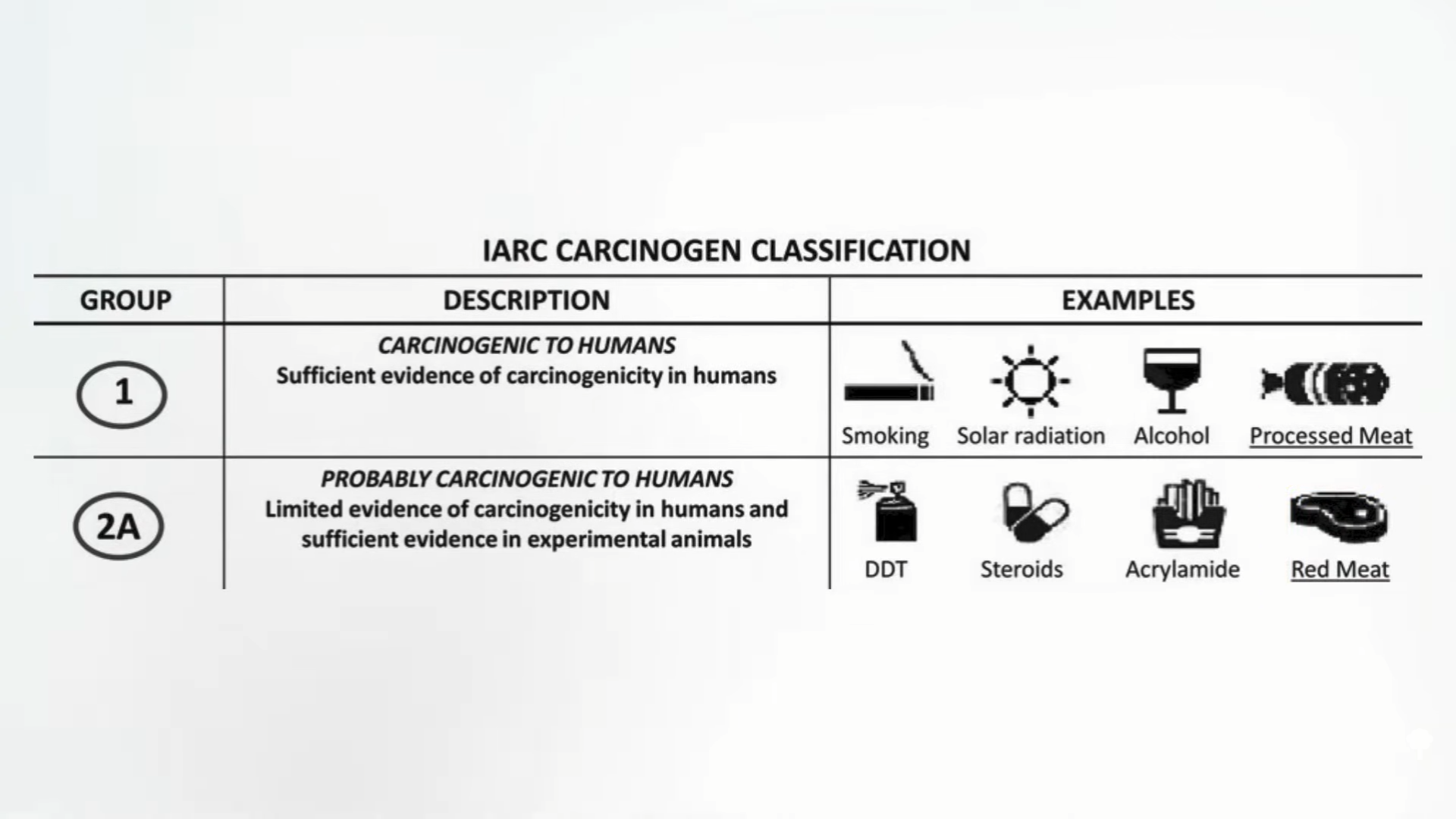
There are all kinds of potential mechanisms for explain The risk of cancer. The meat has the long-proinflammatory chain arachidonic acid and more of the methodin, trans fats and endogenous hormones such as IGF-1, not to mention those that are implanted in animals such as «exogenous hormonal hormonal promoters.» Then there are all the toxic pollutants that build the food chain, such as pesticides and formaldehyde.
According to the prestigious IARC, the International Cancer Research Agency, “there is strong evidence that haas [heterocyclic aromatic amines]When causing damage to DNA, it contributes to the carcinogenic mechanisms associated with the consumption of red meat. «These compounds of DNA damage are formed when the muscle tissue is exposed to the high and dry heat, such as the grill, the roasted, the baking, the grill, anything that is, the steam or the pea, there is also a» strong evidence «that the formation of the formation of the formation of the so-called n-nitros Cancer compounds. [heme] Iron contributes to carcinogenic mechanisms associated with red and processed meat. «
I could usually leave it there, but other authorized organizations that I respect, such as the American Cancer Research Institute and the World Cancer Research Fund, are More tentative. While they agree, there is some evidence that «food consumption containing Hemo could increase the risk of colorectal cancer,» they consider that the evidence suggests that such connection is limited.
Much of the evidence available is based In data from laboratory animals, such as the study entitled «The dietary hemo induces intestinal dysbiosis, aggravates colitis and enhances the development of adenomas in mice», in which it was found that the dietary hem interrupts the intestinal flora, aggravates inflammation and enhances the development of intestinal tumors in mice. But it is essential to keep in mind that, in all the laboratory animal models that have been used, rodents ingested Meat or hem equivalent to humans that eat up to 40,000 pounds (18,000 kilograms) of meat a day. Even the smallest dose would be approximately a dozen daily impossible hamburgers.
In another study, attribution «A central role for Hemo Iron» in the development of colon cancer associated with meat intake, the authors affirmed that «they aimed to determine, to nutritional doses, which is the main factor involved and proposing a mechanism for promoting cancer for red meat.» Then, hemo «doses were chosen to imitate the consumption of red meat», and, in fact, there was a significant increase in tumor load, as can see here and 3:41 in me video.
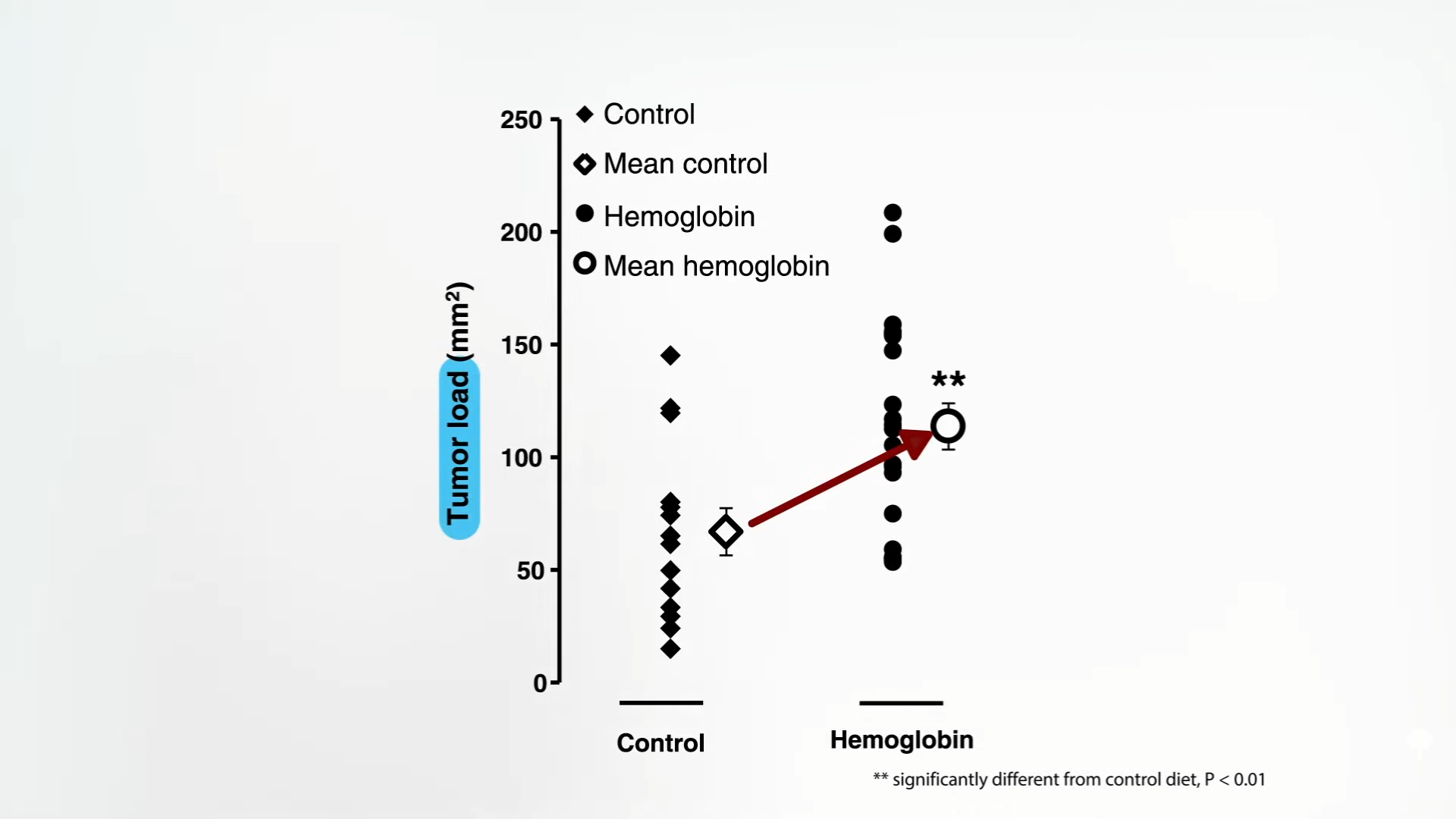
The researchers concluded That their «results suggest strongly that to the concentrations that are in line with the consumption of human red meat, the HEMO iron is associated with the promotion of carcinogenesis of the colon», that is, the development of cancer. However, if you observe the real diet given to the participants and make the calculations, was 500 times the level of Hemo that is found in people’s diets, more than approximately 20 pounds of meat per day. Of course, even if they really used the correct doses, they will still end up with data on the wrong species, which It would bring We to clinical studies that we will explore below.
This is part of a series of nine video in plant -based meats. If any of the other previous deliveries were lost, see the publications related below.
The last two videos of the series will be presented below. See N-nitrosary compounds induced by hemo and fat oxidation and Is hemo the reason why meat is carcinogenic?.


