


The environmental evaluations of 50 different meats based on plants show that they are much more sustainable than animal -based meats.
«There is an increasing consensus of transition Towards the reduced consumption of meat and more plants -based diets is a key feature to address important health and sustainability challenges ”faced by humanity, but the graphic below already 0:25 in my video Environmental impacts of plant -based meat substitutes shows that the path The world consumption of meat has increased.
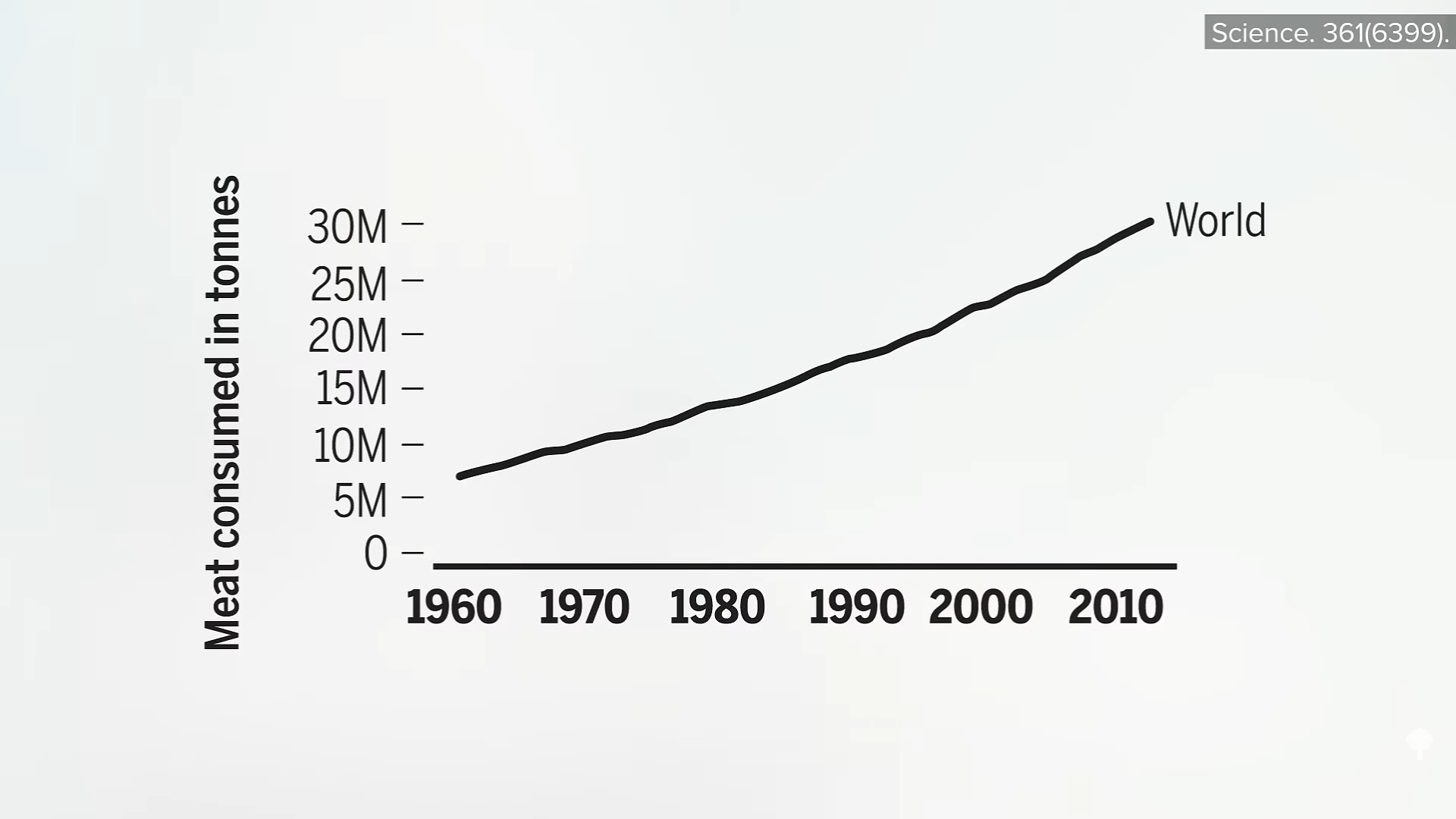
According to the United Nations Food and Agriculture Organization, “we will have to double the production of meat and dairy to meet the planned demand for animal proteins in 2050 «. However, we would have to do exactly the opposite to contain the ecological damage and the» environmental impact of cattle. «
«Almost all credible forecast It shows that if we are going to have any possibility of fulfilling future foods sustainably, reducing our meat consumption will be absolutely essential. «
The most centralized governments can be effective in influential Consumption patterns. For example, the «Chinese government has outlined a plan to reduce the consumption of meat of its citizens by 50%», but from the main drivers of the global consumption of meat are Factors such as increasing income, urbanization and western culture, the «main impeded drivers of meat demand are difficult to influence through direct policy intervention.» Therefore, we must take our case directly to the consumer. However, information and education may not be enough. We may need «greater availability of products based on prepared plants.»
Too often, alone, «ethics and sustainability not stop A great possibility in a world of consumers … Many consumers seem deaf to ethical arguments …[that] They forget quickly when you are buying food. «When arrives For the «consumer perceived barriers to follow a diet based on plants», the largest barrier can simply be «meat appreciation», enjoying the taste of the meat. So, in practice, if we want people to change to plants based options, «the taste, structure and nutritional value of vegetarian meals could develop to follow more closely the preferences of meat dining rooms.» Why design a vegetarian hamburger mainly for vegetarians? They are no longer eating meat. When Patrick Brown founded Impossible food, «his goal was to create something that a hamburger lover would say that it is better than any hamburger they have had.» «Also in the market it is» hamburger beyond, created Beyond Meat, a company founded to address climate change through the creation of vegan products free of meat and animal by -products «that are» juicy, fleshy and delicious. «
But are they better for the weather? If so, how much better? Good reputation groups have published EVALUATIONS OF THE ENVIRONMENTAL LIFE CYCLE deck The Impossible Burger and Beyond Burger, and I made a short piece for the Swiss investment firm UBS that summarizes the results, as can be seen below already 2:48 in me video.
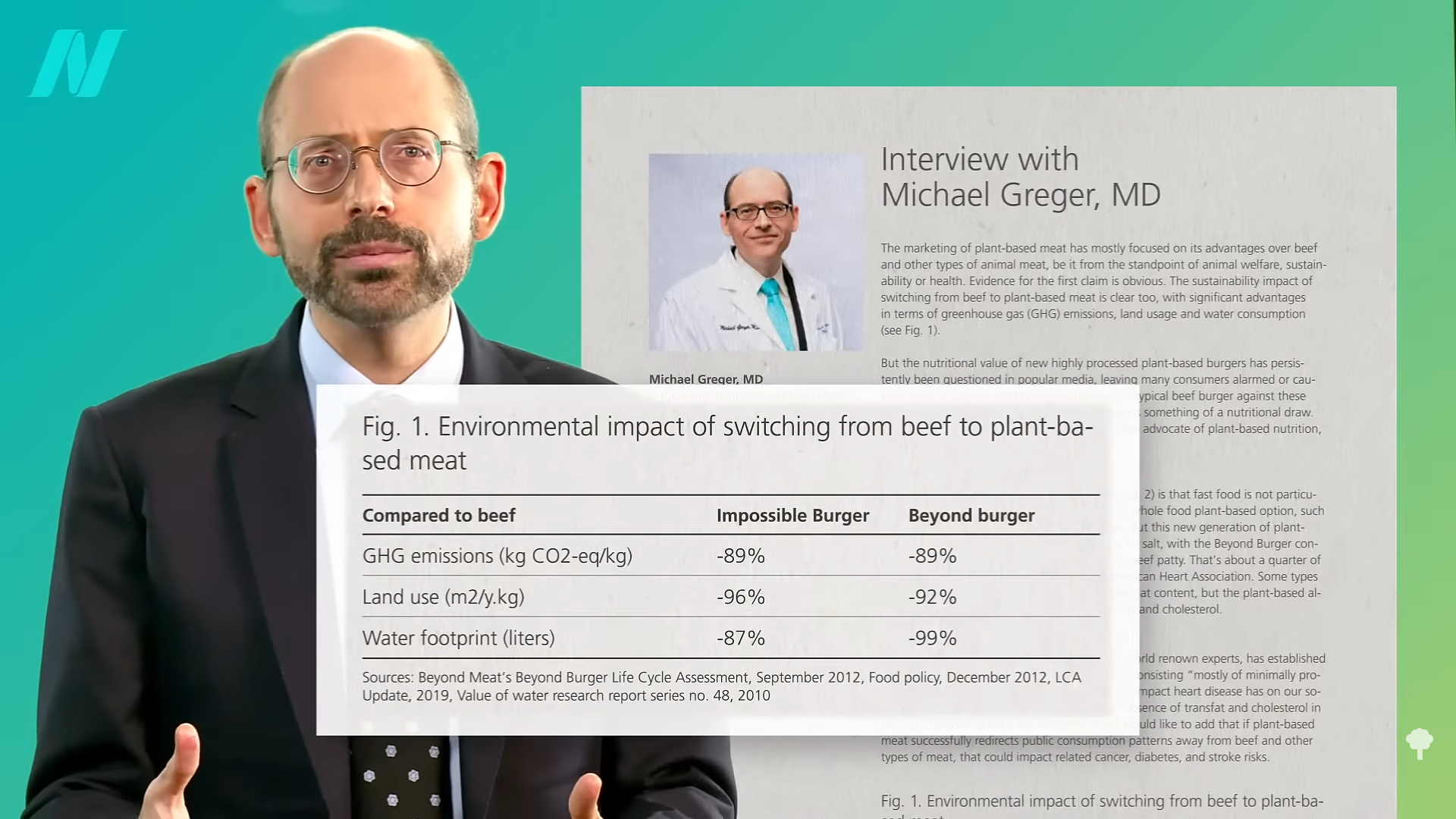
Indeed, transposed For any of the plant -based meat options, the impossible hamburger and hamburgers beyond reduce greenhouse gas emissions, land use and water footprints by approximately 90 percent, compared to the beef.
Similar life cycle analysis have been done in more than 50 different meats based on plants. All these studies found that they are much more sustainable than processed meat and meat products, without real differences in greenhouse gas emissions (GHG) observed between the different protein sources used in plants based on meats, either wheat, soy or another. However, obviously, any product containing eggs would be significantly worse with «significantly higher gei amounts.»
Now, of course, if us was Direct to unprocessed peas and soybeans from which hamburgers are made beyond and impossible, we would not obtain only an environmental impact 90 percent lower, but a 99 percent lower impact. However, that impact falls to zero, if no one is willing to eat it.
A review of consumer research on meat alternatives found That, although considerations such as «health, environmental and well -being aspects can persuade consumers and influence their decision to prove a substitute for meat, appearance and taste of these meat substitutes are crucial factors for its consumption regularly. «
Interestingly, these days, plant -based food can I really have an advantage. The researchers gave the omnivorous university students, both the milk with animals based on the plants, the macaroni with cheese, the mockery tenders and the meatballs, but they were told that they were actually made of plants. The researchers «surprisingly and unexpectedly discovered that when the subjects tried the food and described how much they liked the taste, those who told them that the food was vegan liked food significantly better than those who were told that the food was from Animal origin.
However, other demographic data may have a different reaction, in which case there are is Always «state sustainability», using combined products that replace some of animal proteins with plant protein. Recently, such «hybrid products (meat analogues in which part of the meat is replaced by plant -based ingredients) have made A promising entrance «, so much that lost and tyson, two important meat producers, are boasting the incorporation of plant proteins in their combined products, as you can see here and at 4:41 in my video.
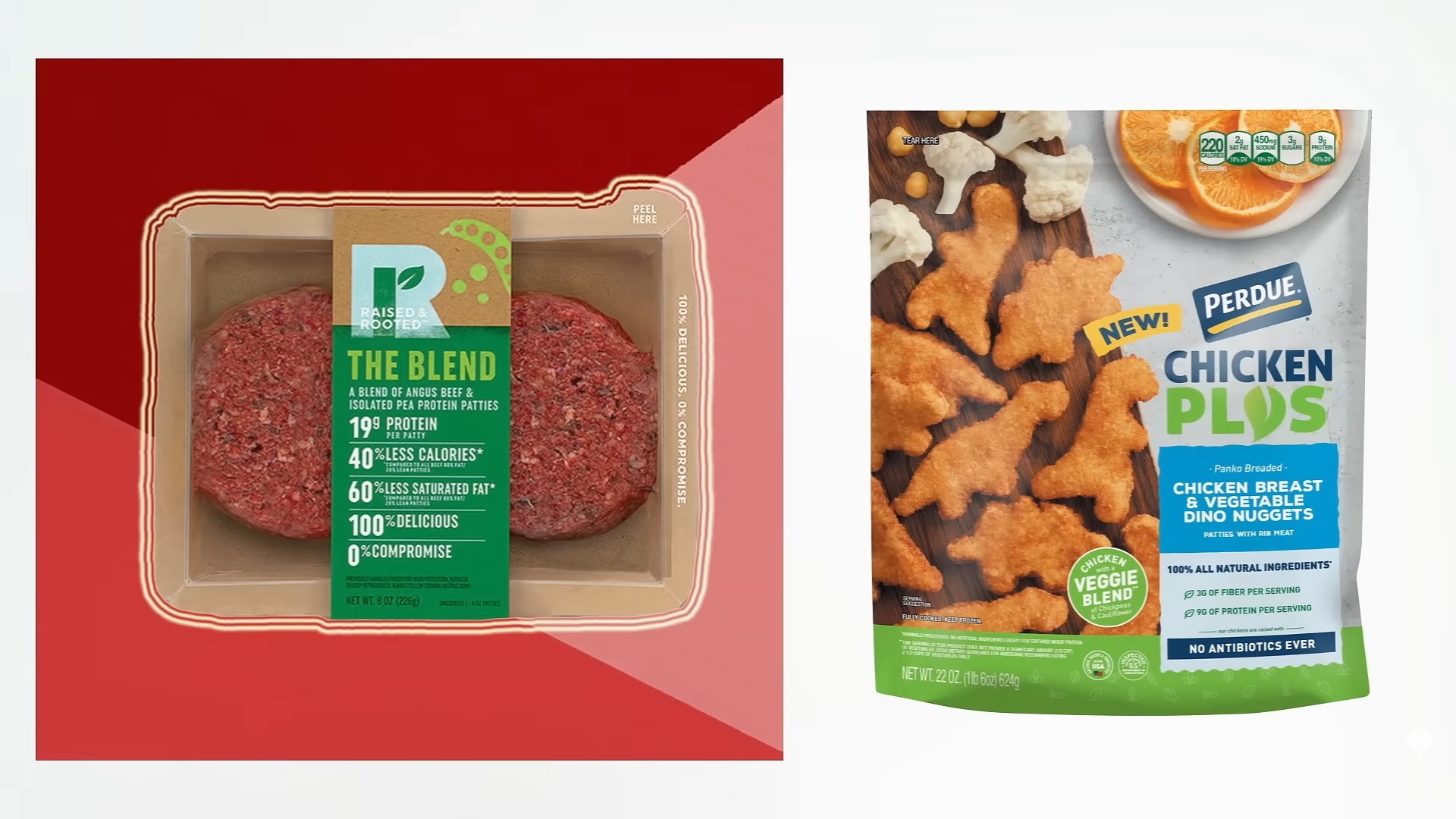
This is one of the first nine videos of a series on plants based, which includes the titles in the publications related below.
To obtain a history of food and climate change, see diet and climate change: cook a storm.


