


Sufficient and sustained weight loss can cut the risk of fatal heart attacks and strokes in half.
In the ABCs of the health consequences of obesity, GRAM It’s for gallstones.
The main digestive reason why people hospitalized It is a gallbladder attack. Each year, more than one million Americans are diagnosed with gallstones and about 700,000 must have their gallbladder surgically removed. He is a relatively safe procedure, with complication rates that tend to be less than 5 percent and a mortality rate of only about 1 in 1,000. However, one in ten can develop a postcholecystectomy syndrome of persistent gastrointestinal symptoms long after their gallbladder is removed.
What are gallstones made of? In 80 to 90 percent of cases, gallstones are mainly crystallized cholesterol, which forms like rock candy in our gallbladder when cholesterol becomes too concentrated. This was used for explain why some small early studies found that non-vegetarians had a higher incidence of gallstones. However, the results of more recent and larger studies are more equivocal; a study suggests that a “vegetarian diet may therefore protect” against gallbladder disease, for example, while another sample higher rates among vegetarians, regardless of weight.
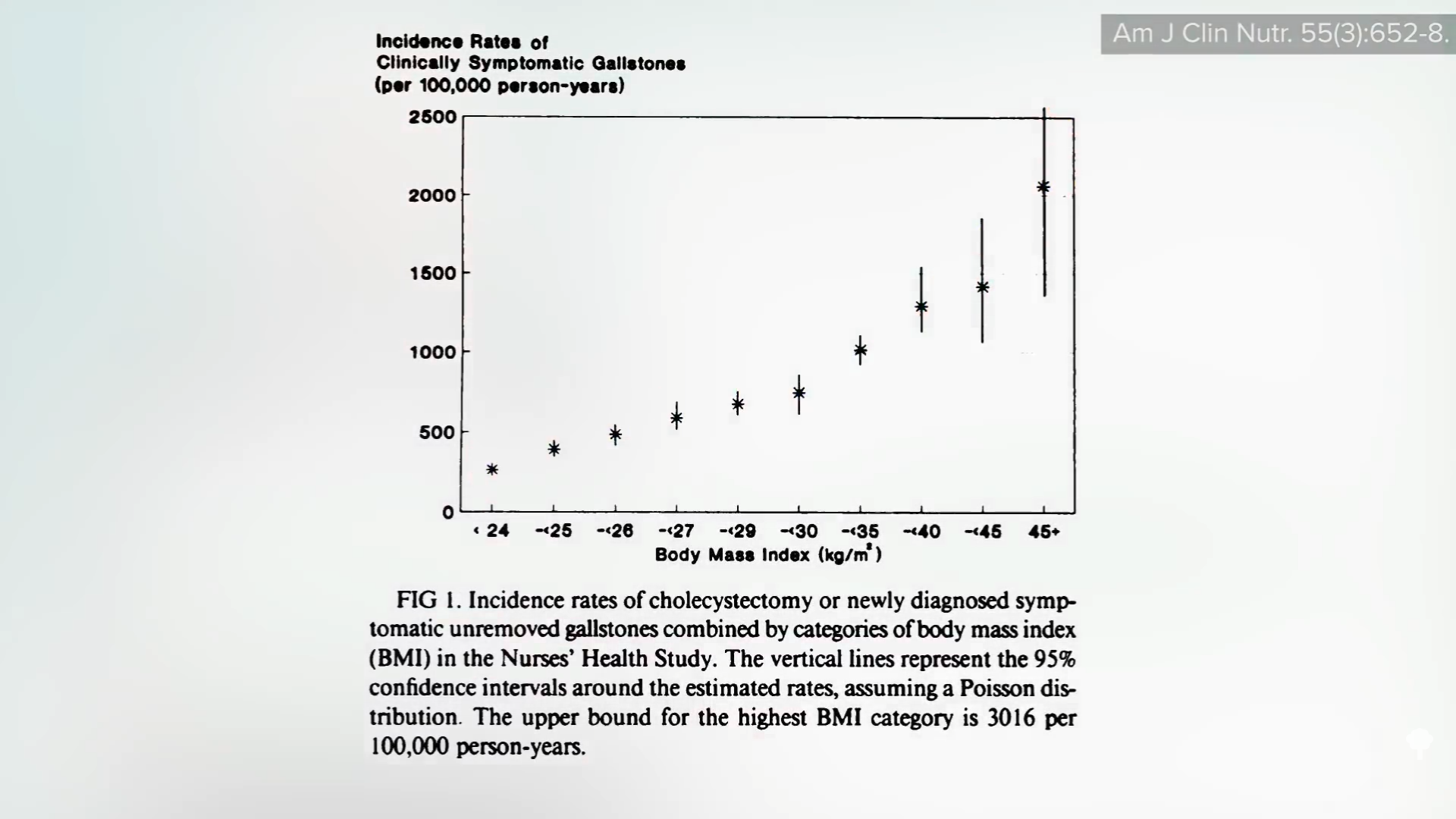
As I analyze it in my video. The Effects of Obesity on Gallstones, Acid Reflux, and Cardiovascular Diseasethe greatest putative cause and effect risk factor may be obesity, growing risk up to seven times higher, as you can see below and at 1:32 in my videowith a duplication risk even on the higher side of the “normal BMI range.”
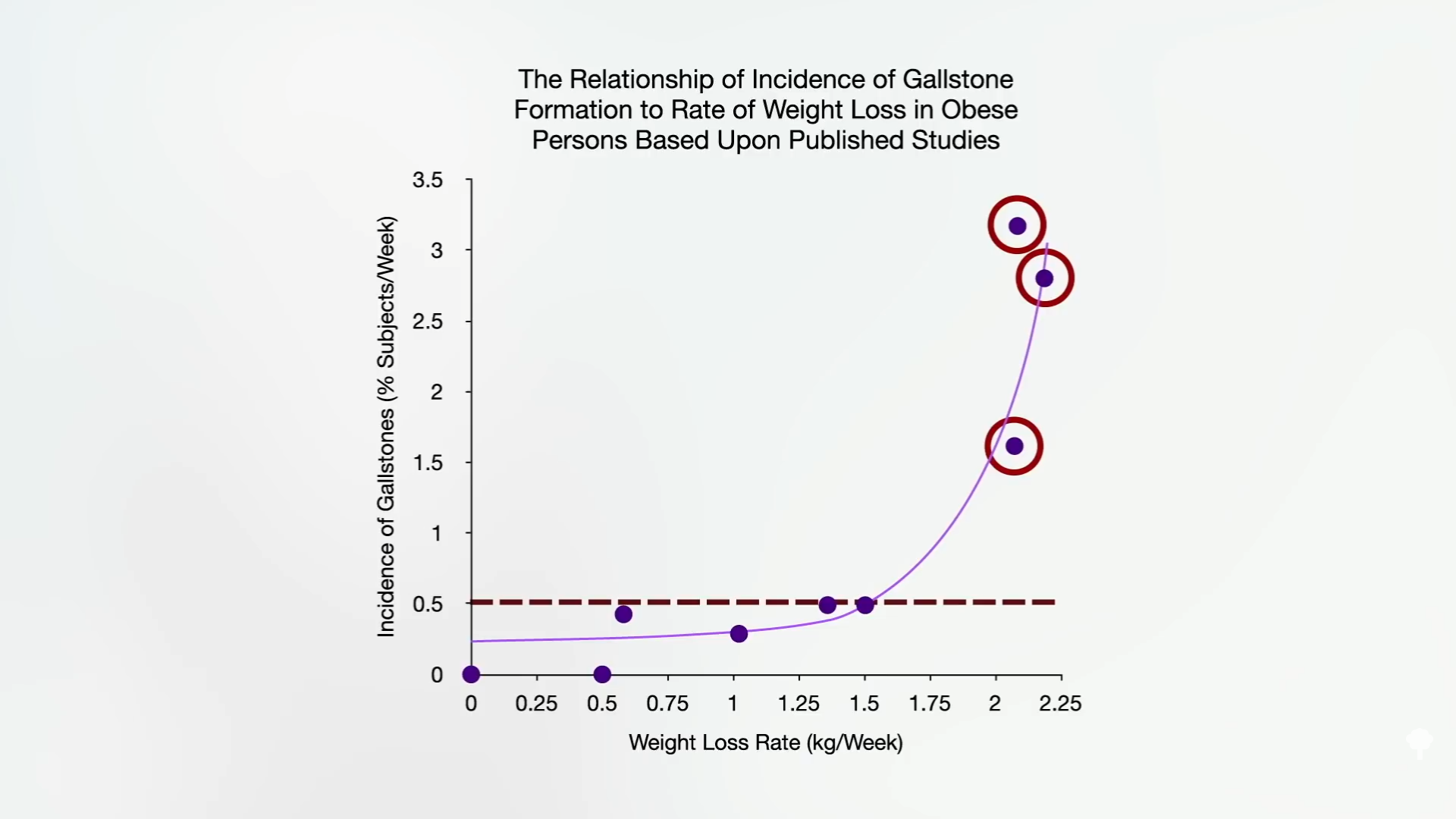
Ironically, rapid weight loss can also be a trigger. Half a pound (1.5 kg) a day is considered the upper limit for medically safe weight loss, based on gallstone formation. Ultrasound studies found that, above that, the chance of new gallstones can range from less than 1 in 200 per week to closer to 1 in 40, as shown below and at 1:59.
to help prevent An attack of gallstones, we can increase our fiber intake. Not only is dietary fiber intake associated with less gallbladder disease in the first place, but so are those who consume high-fiber foods during a weight loss regimen. suffered significantly less gallbladder sedimentation than those who lose the same amount of weight without gaining additional fiber.
GRAM It is also used for gastroesophageal reflux disease or GERD. Eating foods rich in fiber also decreases the risk of acid reflux. I previously explored how chronic straining to defecate can push part of the stomach into the chest cavity. Well, excess abdominal pressure due to obesity can have the same effect, pushing acid down the throat and causing heartburn and inflammation. The increased pressure on the abdominal organs associated with obesity can also explain why overweight women suffer more from vaginal prolapse, where organs such as the rectum come out and enter the vaginal cavity.
The deadliest letter in the alphabet of obesity consequences is hwhich is for heart disease. Of the four million deaths attributed Excess body weight every year around the world, almost 70 percent is due to cardiovascular diseases. Is it just from eating poorly? Mendelian randomization studies suggest that people randomly selected from conception to be heavier (based solely on genetics) actually have higher rates of heart disease and stroke, regardless of what they eat. The case is: If you lose weight, does your risk decrease?
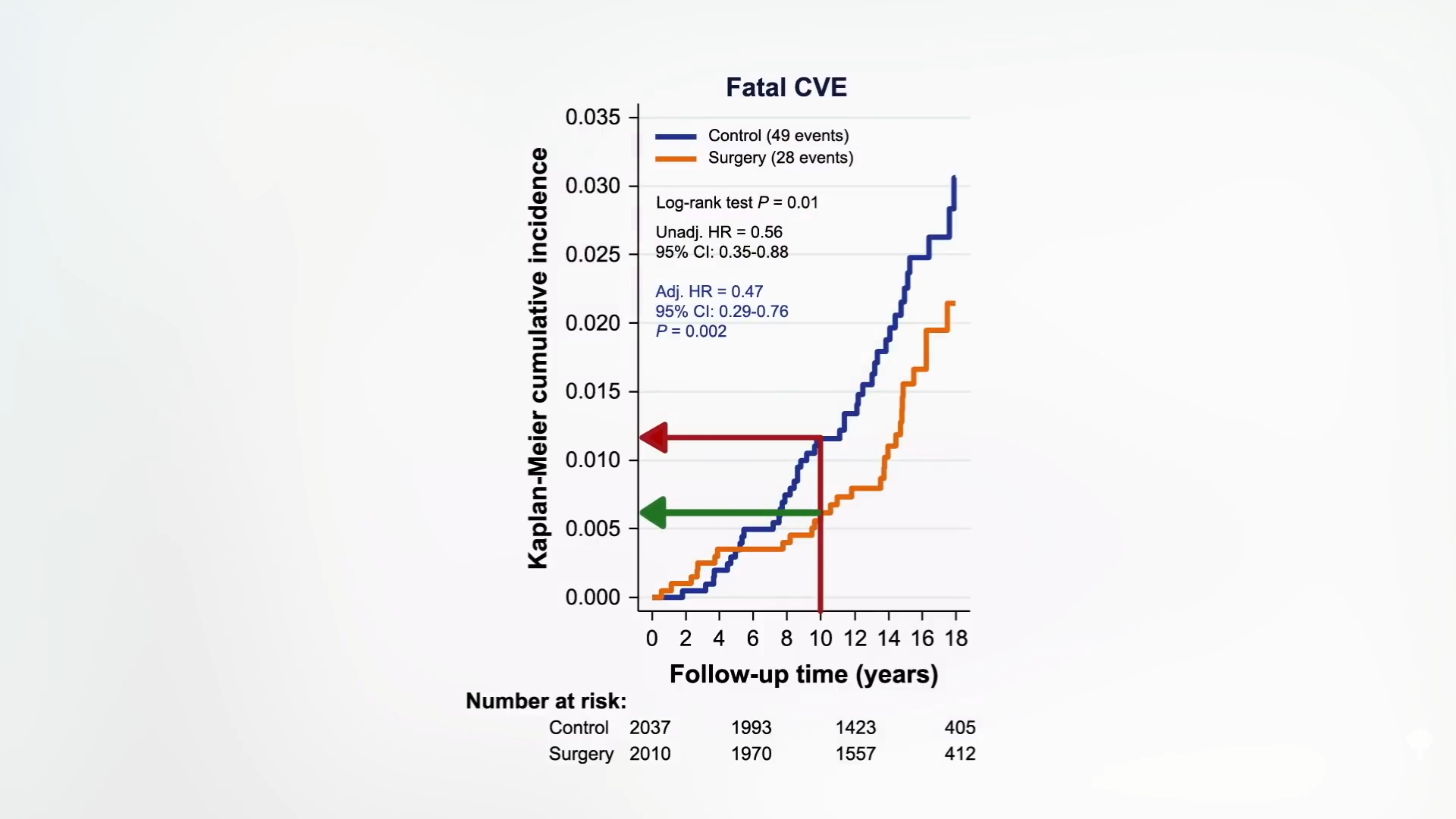
Enter the Swedish Obese Subjects (SOS) trial, the first long-term controlled trial to compare the results of thousands of bariatric surgery patients with matched control subjects who started at the same weight but followed the non-surgical route. Individuals in the control group maintained their weight, while those in the surgical group maintained a weight loss of about 20 percent over the next 10 to 20 years. In that period, those in the weight loss group not only developed 80 percent less diabetes, but they suffered significantly fewer heart attacks and strokes. So, as expected, they significantly reduced their total mortality overall. Ten years later, the weight loss group appeared to cut their risk of fatal heart attacks and strokes in half, as shown below and at 4:23 in my video.
If you missed the previous videos in my series on the ABCs of Obesity, check out:
I continue the topic of obesity and weight with videos in the related posts below.
For more information about the health conditions discussed in this video, see the topic pages on gallstones, GERD, and heart disease.
The GERD related video I mentioned is Diet and hiatal hernia.


